Metabolism, often called the “chemistry of life,” is the set of biochemical reactions that enable our cells to grow, develop, and achieve homeostasis. These processes provide the fuel for everything a cell does, and each process is vastly interconnected in a set of complex regulatory schemes. Recent discoveries have revealed that disrupted metabolism underlies a broad swath of both rare and prominent human diseases.
In collaboration with UW–Madison via the broader Morgridge Metabolism Initiative, metabolism researchers at Morgridge are dedicated to elucidating the basic molecular and genetic aspects of metabolism that will lay the foundation for improving metabolic health. Launched in 2016, the initiative has made a profound impact on UW–Madison and beyond. It serves as a collaborative hub for more than 500 metabolism scientists on campus.
We are revealing fundamental unknowns in the study of cell metabolism and developing cutting-edge technologies to ask questions about cell metabolism we haven’t been able to answer before. Read on to learn about the investigators leading these efforts.
Investigators
The Jing Fan Lab is interested in understanding how mammalian cellular metabolism is reprogrammed in response to changes in cellular state (e.g. immune activation) and environments, and how activities in key metabolic pathways can affect cell physiology.
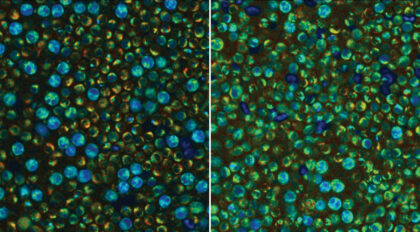
The Melissa Skala Lab develops optical imaging tools to monitor metabolism at the single cell level. These tools are used in living cells, animal models, and patient samples to improve cancer treatment.
The Josh Coon Lab facilitates expedient, comprehensive systems analysis at the molecular level to advance biomedical, biofuel, and biochemical research.
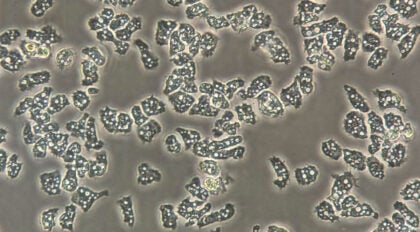
The Jonathan Stefely Lab studies comparative metabolism — from pathogenic amoeba to humans.
Many of these research groups above are frequently recruiting early-career scientists. Learn more by exploring their research pages.